Can You Keep a Car Insurance Policy Without a Car
Yes, you can keep a policy active with no car attached, and for many service members it's the smarter move than letting coverage lapse.
Free to compare

What to check before you keep or drop a policy
- Non-owner policies exist This covers your liability when you drive a car you don't own, like a rental or a friend's car. It won't cover a parked car you still hold title to.
- Storage coverage is different If your car sits in a garage while you're away, ask about a reduced policy that covers theft and damage but drops liability. This is usually far cheaper than full coverage.
- Lapses follow you A gap in coverage can raise your rates later, even in a new state. Ask any insurer how far back they look and whether military orders count as an exception.
- Your state of record matters Where your car is titled and registered affects which rules apply, not just where you're stationed. Check both your home state and your duty station's requirements before you decide anything.
- Ask about deployment holds Some insurers let you suspend or adjust a policy specifically for deployment. Call before you leave and get the terms in writing, not just a verbal promise.
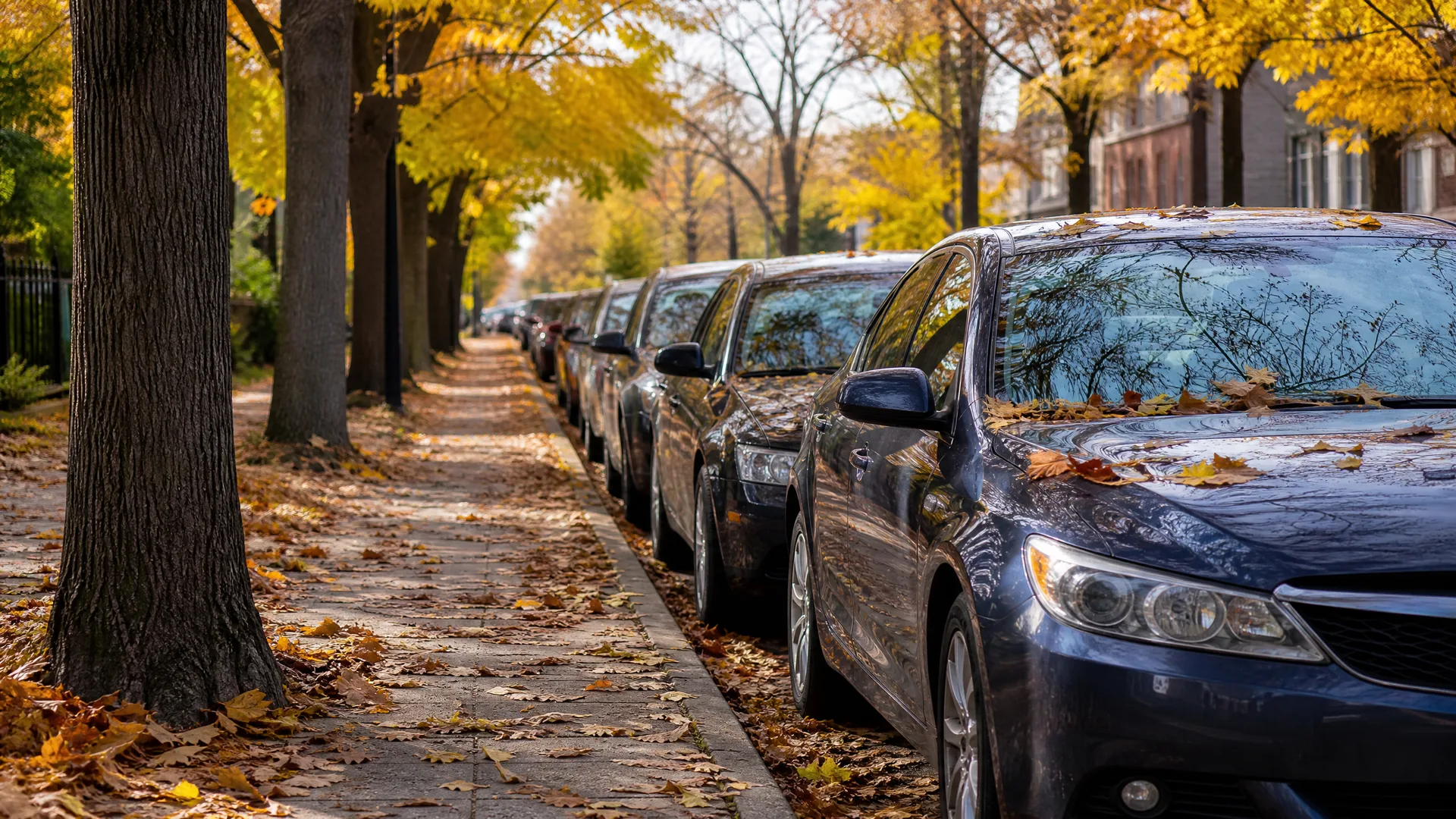
Stationed overseas with a car parked at a parent's house
A soldier gets orders for a year overseas and leaves his car at his parents' place in another state. He doesn't want to pay full coverage on a car nobody will drive, but he also doesn't want a lapse to hurt him when he gets back. He calls his insurer and asks directly what his options are for a parked, unused vehicle.
The insurer offers a reduced policy that drops liability and collision but keeps comprehensive coverage, so the car is still protected against theft, fire or storm damage while it sits. He confirms this counts as continuous coverage, not a lapse, and gets the change confirmed in writing before he deploys. When he returns a year later, he reinstates full coverage in a single call, and his rate hasn't moved because there was never a gap on record.
Once you know whether to keep, reduce or pause your coverage, compare quotes built around that choice.

Keep some form of coverage active while you're away
If you do
Your coverage history stays unbroken, which keeps your rates stable wherever you're stationed next. A parked car stays protected against theft or damage. When you're ready to drive again, reinstating full coverage is a quick call instead of starting over as a new, unproven driver.
If you don't
Canceling outright can save money short term, but the lapse shows up when you apply again. Insurers may treat you as higher risk, and some states charge more to reinstate registration and insurance together. You could also find a parked car isn't protected if something happens to it.
Why a parked car still needs a decision, not a cancellation
Insurance is priced on risk, and risk doesn't disappear just because a car isn't moving. A parked car can still be stolen, vandalized, or damaged by weather, so insurers offer reduced policies that drop the parts tied to driving, like liability and collision, while keeping the parts tied to ownership, like comprehensive coverage. This is why canceling entirely and going without any policy is usually the wrong comparison. The real choice is between full coverage, reduced coverage, or a temporary non-owner policy, not between coverage and nothing.
Continuous coverage matters because insurers track gaps, and a gap can follow you across state lines. When you reinstate a policy after a lapse, some insurers price you as if you're new to insurance again, even if you've driven for years. Service members move often enough that this adds up, so keeping some form of coverage, even reduced, protects your pricing history as much as your car.
State rules are where this gets specific to you. Some states let you suspend registration and insurance together if a car won't be driven, which can lower what you owe without creating a gap. Other states don't offer that option, or require proof the car is off the road entirely. Your state of legal residence and the state where the car sits may have different answers, so check both directly with their motor vehicle agency rather than assuming.
The exception is when you truly won't need the car again, like selling it before you leave. In that case a non-owner policy makes more sense than any form of storage coverage, since you're insuring your driving record and future liability, not a vehicle you no longer have.
What happens if you forget to update coverage before you deploy?
If you leave without adjusting your policy, it usually stays exactly as it was, full coverage, full premium, on a car that isn't moving. You won't lose coverage, but you'll likely overpay for protection you don't need, since liability and collision only matter while the car is driven.
The fix is simple even after the fact. Call your insurer from anywhere, including overseas, and ask to switch to reduced or storage coverage retroactively if they allow it, or starting from that call if not. Keep any deployment orders handy, since many insurers ask for them to apply military-specific adjustments or waive certain fees.