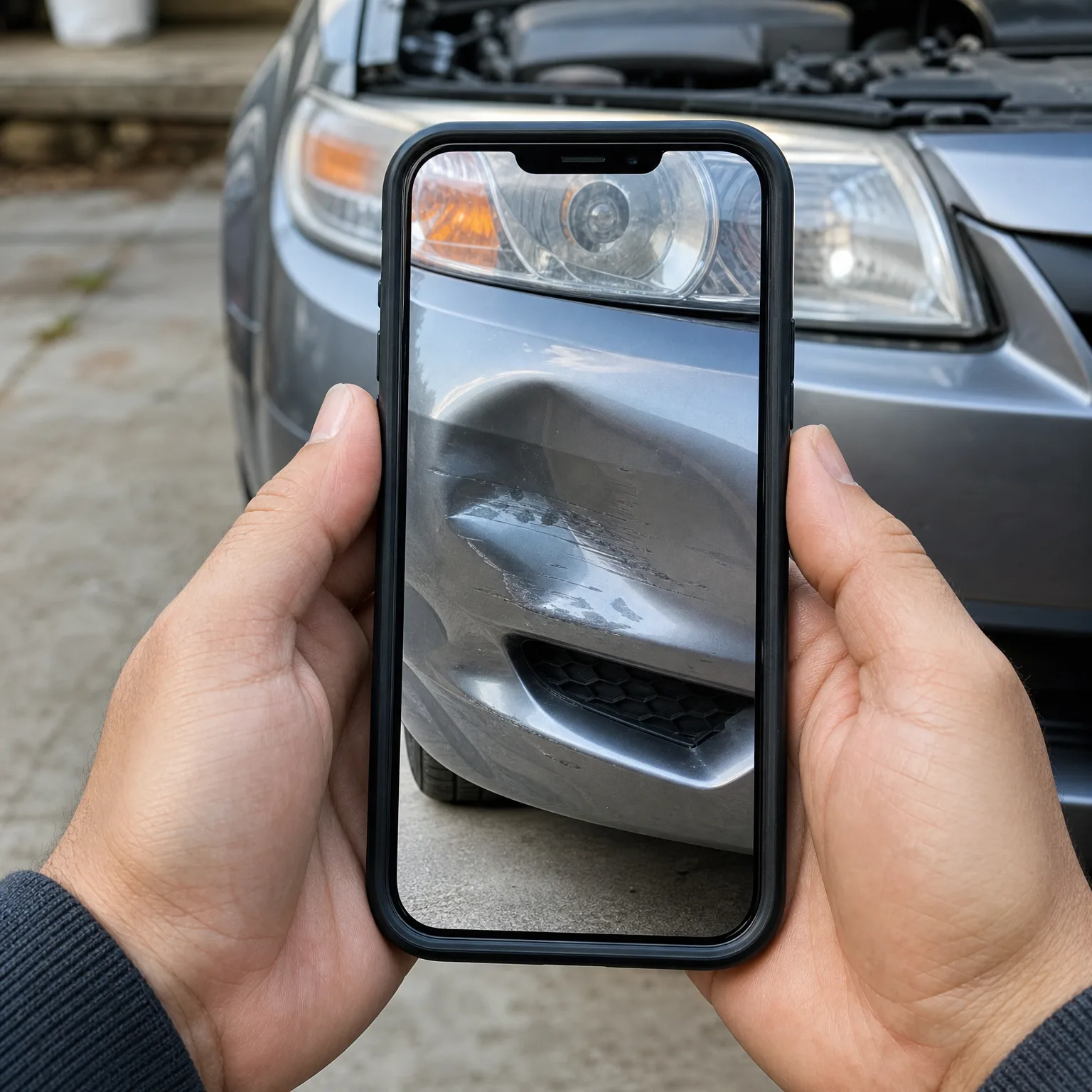
Storing a Car During Deployment
You can usually drop to a storage-only policy that keeps your car legally covered without paying for the coverage you're not using.
Free to compare

Leaving a Car With a Parent Before a Six-Month Deployment
A service member got orders for a six-month deployment and couldn't take the car along. Her parents agreed to keep it in their garage, but no one planned to drive it. Before she left, she called her insurer and asked about switching to comprehensive-only coverage, since the car wouldn't be on the road. The insurer confirmed the car still needed to be registered and insured in some form the whole time, even sitting still, so dropping coverage completely wasn't an option.
She switched to the storage-only option, which kept protection against theft, fire and weather but dropped the liability and collision pieces since nobody would be driving. She gave her parents a copy of the policy and her contact information in case anything happened. When she got back, she called to reinstate full coverage before driving the car again. The whole process took one phone call on each end, and she never had a lapse on her record.
Can you just cancel your insurance completely while deployed?
No, not if the car stays registered. Almost every state requires some form of continuous insurance on a registered vehicle, even if it never leaves the driveway. Canceling the policy outright usually means canceling the registration too, and that creates its own paperwork and sometimes storage or inspection complications down the line.
The better move is asking your insurer about a reduced coverage option built for a parked, undriven car. It keeps the registration valid and the policy active, so there's no lapse on your record and nothing to untangle when you're back. If you truly want to cancel everything, you'd need to also surrender the plates and handle re-registration later, which is usually more work than it saves.
Compare quotes for storage coverage now that you know how to keep your parked car protected without overpaying.

What to Settle Before You Leave
- Ask about storage coverage This keeps theft, fire and weather protection active while dropping liability and collision since no one's driving. Call your insurer before you leave and ask specifically for this option.
- Keep registration current Most states require active insurance on any registered vehicle, even one that's parked. Check your state's rules so you don't end up with a registration you can't legally keep.
- Decide who can act for you If someone will check on the car or needs to handle a claim, they should have your policy number and a way to reach you or your insurer. Give them this before you leave, not after something happens.
- Set a reinstatement reminder Full coverage needs to be back in place before the car is driven again, not after. Pick a date near your return and set a reminder so it's not forgotten in the rush of coming home.
- Check military protections Some insurers and states have rules or discounts built for deployed service members. Ask directly, since these aren't always advertised and vary by company.

The car doesn't need full coverage while it's parked, but it can't go without any insurance at all.
Does my insurance still cover the car if it's parked at a friend's house out of state?
It depends on where the car is registered, not just where it's parked. Insurance follows the registration and policy address, so check with your insurer about whether an out-of-state storage location changes anything. Some insurers are fine with it, others may ask you to update the address on file. If the car will stay there long after you return, you may also need to look into registering it in that state instead.
What happens to my insurance if my car gets towed or impounded while I'm deployed?
Your policy should still apply, but you'll want someone able to act on your behalf. Towing or impound fees and any related claims usually need a response within a set window, so give a trusted contact your policy details and power of attorney if possible. Without someone able to handle it, fees can pile up and the situation can get harder to resolve by the time you're back.
Can I switch my car insurance to my spouse's name while I'm deployed?
Yes, if your insurer allows it, but the car's ownership and title matter too. Adding or shifting a spouse as the primary policyholder is usually straightforward if they're already listed as a driver. Check whether this affects your rate, your coverage options, or any military-specific terms tied to your own policy, since those protections sometimes don't transfer automatically.