Keeping Continuous Coverage While Deployed
Don't cancel your policy for deployment, reduce it instead, so your coverage never lapses and your record stays clean.
Free to compare
Why you adjust the policy instead of dropping it
A lapse in coverage shows up in your insurance history no matter why it happened. Insurers use that history to set your rate later, and a gap reads the same whether you were deployed or just forgot a payment. Keeping a policy active, even a reduced one, protects the record you'll need when you come back and shop for coverage again.
Most insurers let you scale a policy down when a car isn't being driven. You can usually drop collision and keep comprehensive, which still covers theft, fire, weather and other damage while the car sits parked. Liability requirements depend on where the car is registered and stored, so what you're allowed to drop varies by state and by company.
If someone else drives the car while you're gone, a spouse, parent or friend, the policy has to reflect that. Insurers want to know who's actually behind the wheel, and leaving a regular driver off the policy can jeopardize a claim. This is also where state rules diverge most, since some states tie coverage requirements to where the car is garaged rather than where you're stationed.
Deployment itself doesn't change how insurance works. It changes what you need from the policy for a while. The companies that handle military business well are used to this exact situation, so ask directly what they offer for deployment rather than assuming you have to cancel or guess.

The short version
Don't cancel your car insurance when you deploy. Reduce it to comprehensive-only if the car will sit parked, or add any driver who'll use it, so your coverage history stays unbroken. Call your insurer before you leave and ask specifically what they do for deployed service members.

What to settle before you leave
- Storage coverage If the car won't be driven, ask about comprehensive-only coverage. It protects against theft and damage while you're gone, usually for less than a full policy.
- Add the right driver If someone else will drive the car, put them on the policy before you leave. An unlisted driver can complicate or void a claim.
- Check the state rules Requirements can depend on where the car is registered versus where it's stored. Confirm with your insurer or state DMV before assuming either state's rules apply.
- Set up automatic payments A missed payment overseas can cancel your policy without you knowing. Autopay from a account you'll keep active avoids an accidental lapse.
- Ask about deployment terms Some insurers have specific options for deployed service members, others don't advertise them. Call and ask plainly what they can do for your situation.
Once you know how you'll keep coverage going while you're away, compare quotes to find an insurer that handles it well.

Should you keep the policy active while deployed
If you do
Your coverage history stays continuous, so when you return or shop for a new policy, you look like a driver who was never without insurance. If the car is stored, a reduced policy still protects it from theft and damage. Reinstating full coverage when you're back takes one call, not a new application history.
If you don't
A cancelled policy creates a lapse that insurers see later, even if deployment caused it. You may face higher rates afterward, and if the stored car goes uninsured, any theft or damage comes out of your own pocket. Reinstating coverage later can also take longer and cost more than adjusting an existing policy would have.
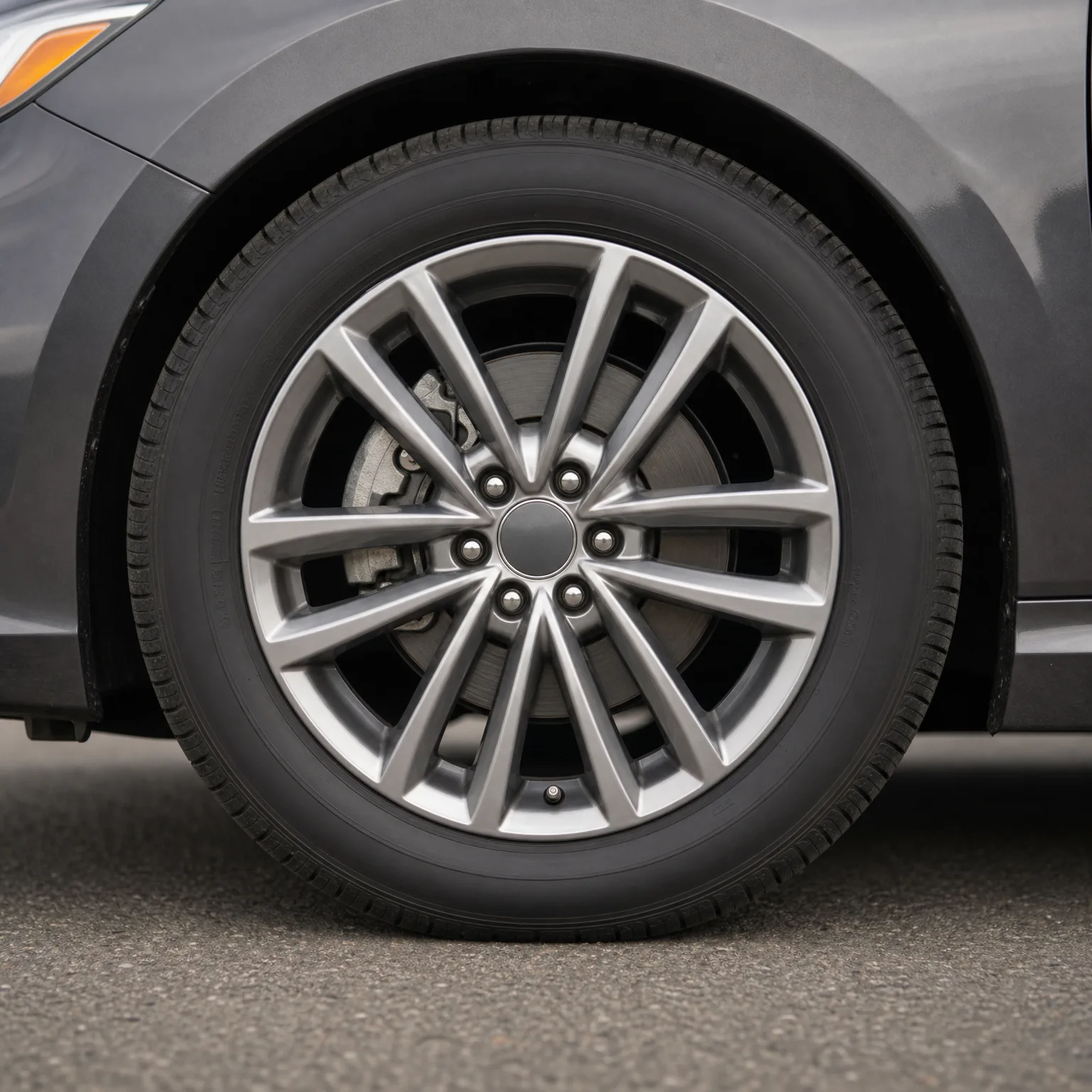
A sedan parked at a parent's house for a year
A soldier gets orders for a year-long deployment and decides to leave his car at his parents' house instead of selling it. Nobody will drive it, so he calls his insurer before leaving and asks what his options are. They suggest dropping collision and keeping comprehensive, since the car isn't on the road but could still be damaged by weather, fire or theft while parked.
He sets up automatic payments from an account his parents can also monitor, so a missed card renewal doesn't quietly cancel the policy while he's overseas. When he returns a year later, he calls the same insurer, asks them to restore full coverage, and is driving legally again within a day. Because his coverage never lapsed, his rate doesn't change either. The whole adjustment took one phone call before he left and one after he got back.
A paused policy protects your record the same way a full one does. Cancelling is what costs you later.