What Is Theft Coverage
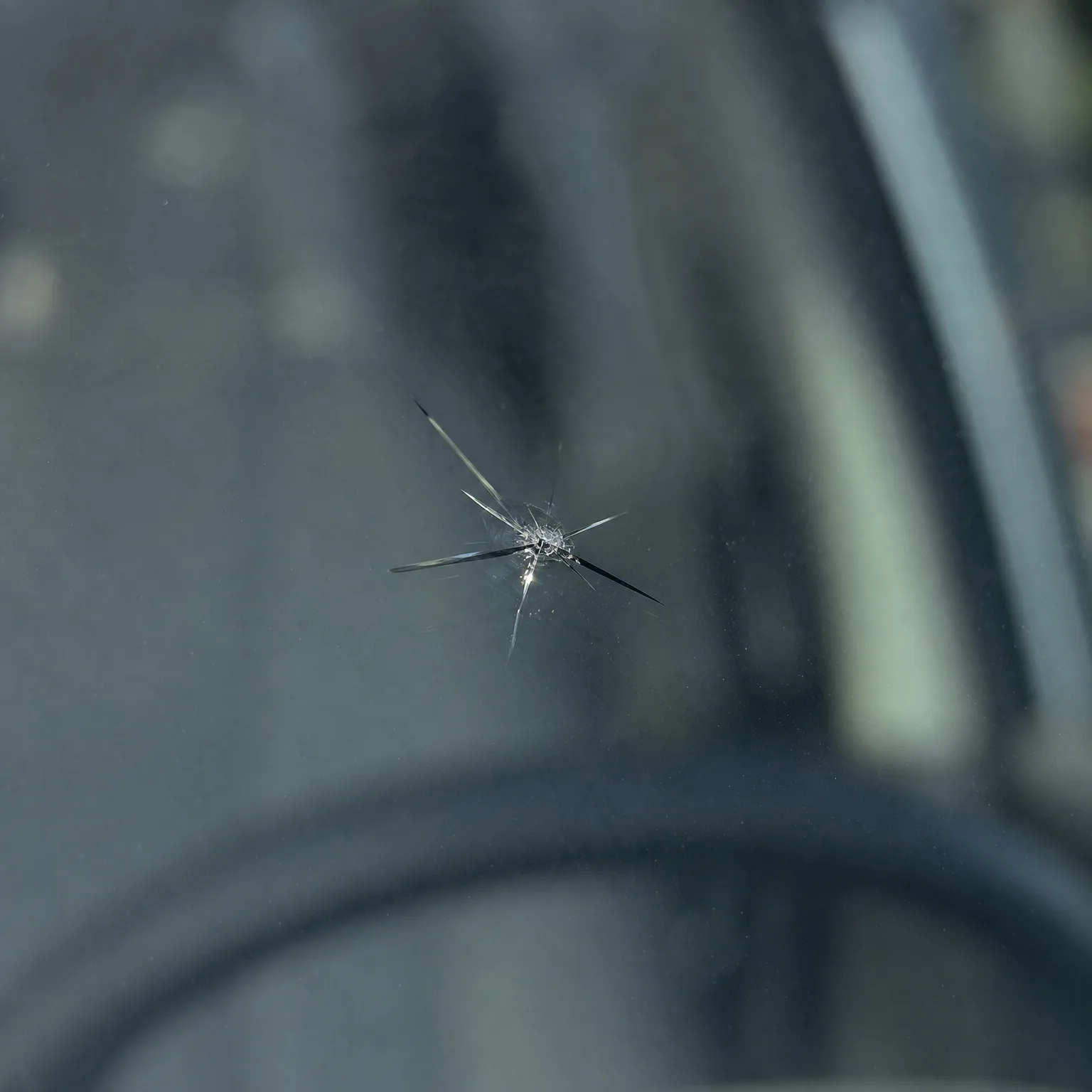
Theft coverage is part of comprehensive insurance, and it pays to replace or repair your car if it's stolen or damaged during a theft.
Free to compare
What theft coverage actually does
- It's inside comprehensive Theft isn't a separate policy line. If you carry comprehensive coverage, theft is already included, so check your policy for that word instead of looking for 'theft' by itself.
- It covers the car, not your gear Theft coverage pays out for the vehicle itself. Items stolen from inside it, like a laptop or gear bag, usually fall under renters or personal property coverage instead.
- A deductible still applies You'll pay your comprehensive deductible before coverage kicks in. If your car is stolen while you're deployed, know that number before you need it.
- Parking and storage matter Where the car sits while you're away can affect your rate and your claim. A locked garage or a monitored lot counts in your favor, so tell your insurer where it's actually parked.
- Reporting speed matters A theft claim moves faster when it's reported right away. If someone else is watching your car for you, make sure they know to call you and the police immediately.

A car left on base while you deploy
You're heading overseas for several months and your car will sit in base housing with a trusted neighbor checking on it. Before you leave, you keep comprehensive coverage active instead of dropping it, since that's the part of your policy that covers theft. You ask the neighbor to park it somewhere visible and locked, and you give them a copy of your insurance card along with instructions to call you and the police right away if anything looks wrong.
Three months in, the neighbor calls to say the car is gone from where it was parked. They file a police report immediately and you call your insurer the same day from overseas. Because comprehensive coverage was active the whole time, the claim moves forward. You pay the deductible and the payout covers most of the car's value, which you use toward a replacement once you're back. Keeping that coverage active while you were gone is what made the claim possible at all.

Dropping comprehensive to save money also drops your theft protection, even if the car never moves.
Now that you know theft lives inside comprehensive coverage, compare quotes to see what keeping it active costs.

Keeping comprehensive coverage while you're away
If you do
Your car stays protected against theft the entire time, no matter where it's parked or who's watching it. If it's stolen, you file a claim, pay your deductible, and get paid out for its value. One phone call from overseas is often all it takes to start the process.
If you don't
If you drop comprehensive to cut costs, theft coverage disappears with it. A stolen car becomes a total loss with no payout, and you're left owing on a loan or starting over with no vehicle when you return.
Why theft lives inside comprehensive, not on its own
Insurers group theft with other non-collision risks like fire, flooding, and vandalism because all of them damage or destroy your car through no fault of your driving. That's what comprehensive coverage means. It's the catch-all for things that happen to your car rather than things your car does.
This matters most for you because a car can sit unused for long stretches while you're stationed elsewhere or deployed, and an unused car is still a car that can be stolen. Liability coverage, which is the one thing every state requires, says nothing about theft. It only covers damage you cause to someone else. Without comprehensive, a stolen car is simply a loss you absorb.
Some drivers try to save money by dropping comprehensive on an older or low-value car, reasoning that the payout wouldn't be much anyway. That calculation is yours to make, but know what it means. You're deciding whether a free, theft-exposed car is a loss you could cover yourself if it disappeared. For a car that still has a loan against it, most lenders require comprehensive, so dropping it may not even be a choice.
What varies by insurer is how they treat the location of the car, military bases, and gaps in use. Some adjust pricing based on parking arrangements or deployment orders. Ask directly how your insurer treats a car that's unused or far from you for long periods.
Does theft coverage pay off my car loan if it's stolen?
Not by itself. Theft coverage pays out the car's actual cash value at the time it was stolen, which can be less than what you still owe on the loan, especially if the car has depreciated faster than you've paid it down.
That gap between the payout and the loan balance is what a separate add-on, often called loan or lease payoff coverage, is built to close. It's worth asking your insurer whether that protection exists on your policy and what it costs, particularly if you financed the car recently or expect to be away from it for a long stretch where you can't keep an eye on it yourself.