What Do I Do with My Car When I Deploy
Keep the car insured through someone you trust, or drop to comprehensive-only if it'll sit unused during deployment.
Free to compare
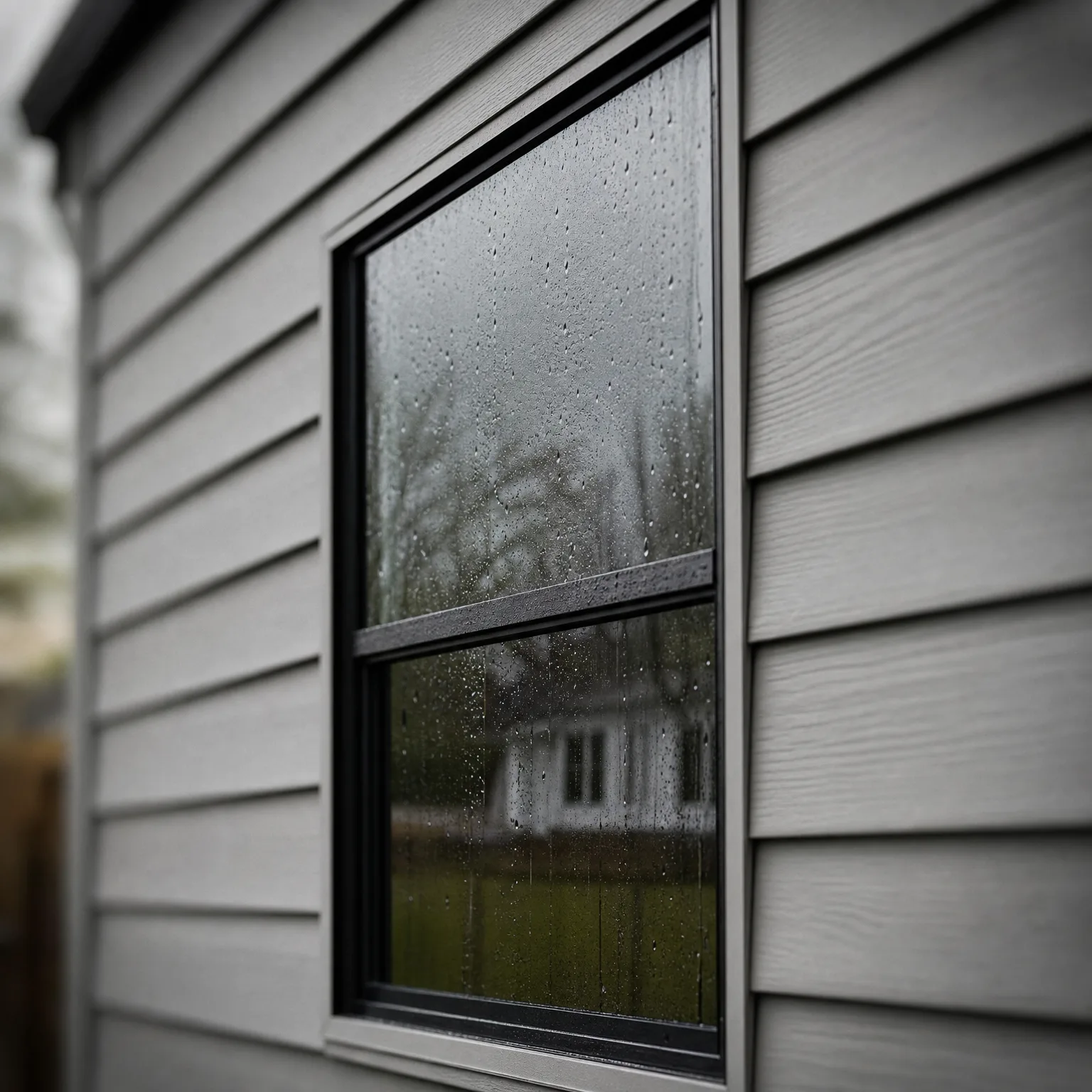
A soldier storing his truck with his parents
A soldier gets orders for a deployment that will keep him away for most of a year. His truck sits in his parents' garage back home, and he doesn't want to keep paying for coverage he doesn't need on a vehicle that won't be driven. He calls his insurer before he leaves, explains the deployment, and asks about dropping liability while keeping comprehensive coverage active so the truck is still protected against theft, fire, or weather damage.
His parents agree to start the truck monthly and let the insurer know if anything changes. He sets up automatic payments from his bank account so nothing lapses while he's out of reach. When he returns, he calls to reinstate full coverage before he drives the truck again, and because he never let the policy lapse, his rate history stays intact. The whole plan costs him one phone call before leaving and one after he's back.
Will my insurance rate go up because I deployed?
Deployment itself shouldn't raise your rate. Insurers care about continuous coverage and driving history, not your orders. What can raise your rate is a lapse in coverage, so the safer move is reducing coverage rather than cancelling it outright.
Some insurers offer special consideration for deployed service members, including rate protections or flexible payment handling, but this varies by company and sometimes by state. Ask directly what happens to your rate during and after the reduction. If your coverage stays continuous and your driving record doesn't change, you should return to similar pricing when you reinstate full coverage.
Once you know how you'll handle the car, compare quotes that fit a deployment without overpaying.

Call your insurer before you leave, or don't
If you do
You tell them about the deployment and ask about reducing coverage. They adjust your policy, maybe drop liability if the car won't be driven, and keep comprehensive active. You set up autopay so nothing lapses. When you're back, you call again, reinstate full coverage, and keep your rate history clean the whole time.
If you don't
Your policy keeps charging full price for a car nobody's driving, or worse, a payment gets missed and your coverage lapses without you knowing. You come back to a cancelled policy, a gap in coverage history, and a harder time getting affordable insurance until you rebuild that record.
Can I cancel my car insurance completely while deployed?
You can, but it's risky if you plan to drive the car again soon after returning. Cancelling creates a gap in coverage, and insurers often charge more for drivers with lapses, regardless of the reason. A safer option is reducing to comprehensive-only coverage, which keeps the policy active and protects against theft or damage while the car sits unused. Check whether your state requires minimum coverage on a registered vehicle even if it's not being driven, since some do.
Should I let someone else drive my car while I'm deployed?
You can, but you need to add them to your policy first. If an unlisted driver gets in an accident in your car, your insurer may deny the claim or only partially cover it. Letting a spouse, parent, or friend drive means notifying your insurer and possibly paying a bit more to include them. If nobody will drive it, storage with reduced coverage is usually simpler and cheaper.
Do I need to keep my car registered in my home state while deployed?
Not necessarily, it depends on where the car stays and your state's rules for deployed residents. Many states let you maintain your home state registration and licensing even while stationed or deployed elsewhere, sometimes with extensions for expired documents during deployment. Check with your state's vehicle agency, since rules on registration holds, renewal grace periods, and proof of deployment vary and some states require specific paperwork to delay renewal.
Reducing coverage protects both your car and your rate history. Cancelling protects neither.