Why Will My Car Not Start After Sitting a Long Time
A car that sat for weeks or months won't start because the battery drained, the fuel went stale, or a seal dried out.
Free to compare
A storage unit, a long deployment, a dead battery
A service member heading overseas for several months left their car with a parent, figuring it would be fine parked in the driveway the whole time. Nobody started it, drove it, or checked on it. When they got back and tried the key, nothing happened, not even a click. They assumed the worst, maybe something expensive under the hood.
It turned out to be the simplest possible cause. The battery had slowly drained just sitting there, since every car pulls a small amount of power even when it's off. A jump start and a short drive brought it right back, and the only lasting cost was a new battery a few months later since the deep drain had shortened its life. The lesson they took from it was to either disconnect the battery next time or ask whoever's watching the car to start it occasionally.
How do I keep my car from doing this next time it sits?
The most reliable fix is to have someone start the car and let it run for a stretch every few weeks, ideally driving it a short distance so the battery actually recharges and fluids circulate. If nobody's available to do that, a battery maintainer plugged into a wall outlet will keep the battery at a healthy charge for as long as the car sits, without anyone needing to touch it.
Beyond that, topping off the fuel tank before storage and checking tire pressure when you return makes the whole process smoother. None of this requires anything fancy, just a plan made before you leave rather than a surprise when you get back. If you're leaving the car with a spouse or parent, walk them through exactly what you need done.

Once you know why the car won't start, compare quotes to make sure your coverage still fits how you're using it.

Do you check on the car while you're away
If you do
Someone starts it or drives it periodically, or you use a battery maintainer. The battery stays charged, fuel doesn't go stale, and seals stay lubricated. You come back to a car that starts like normal, with no surprise repair bill or scramble to find a jump before you're even back from leave.
If you don't
The car sits completely untouched for the full stretch. The battery drains on its own, fuel can start to break down, and rubber seals dry out from disuse. When you return, you're dealing with a dead battery at minimum, possibly a fuel issue or a flat-spotted tire, right when you need the car working.
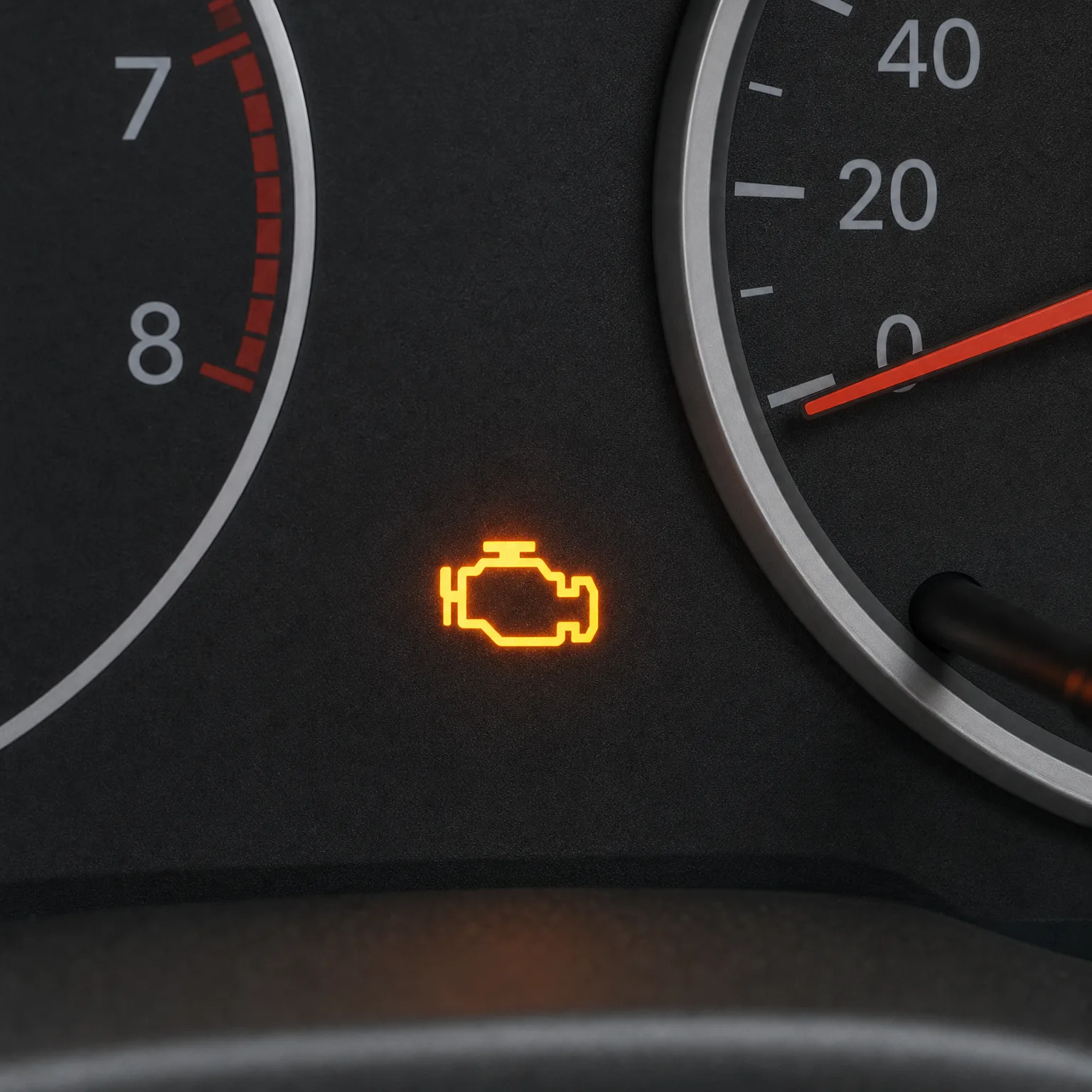
What actually causes a long-sitting car not to start
- Battery drain Every car draws a small amount of power even when off, which slowly empties a battery with nobody driving to recharge it. A maintainer or periodic driving prevents this.
- Stale fuel Gasoline breaks down over months and can gum up the fuel system, especially in older engines. Topping off the tank before leaving helps slow this down.
- Dried-out seals Rubber gaskets and seals can dry and shrink without regular use, sometimes causing leaks. This is more common the longer the car sits and in extreme temperatures.
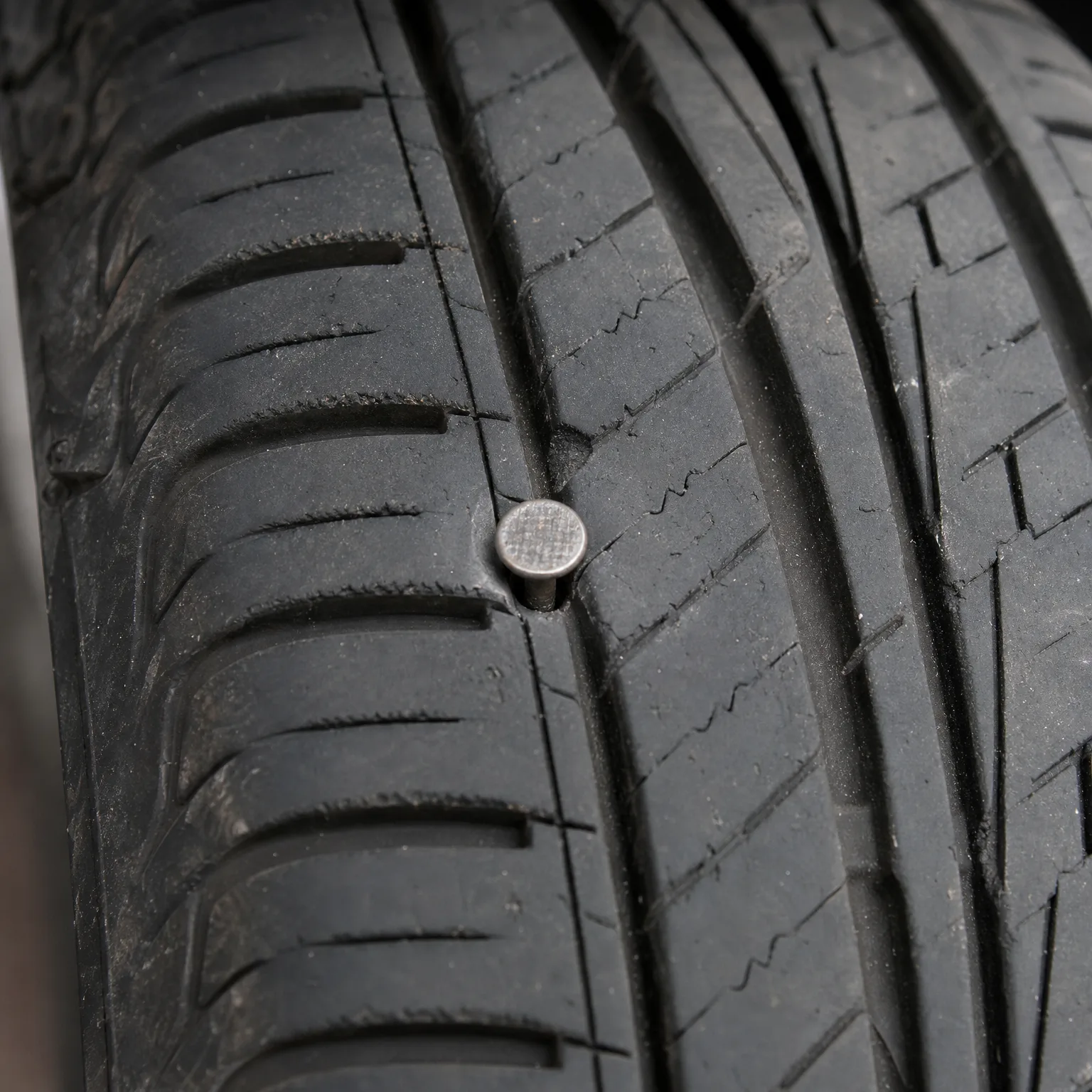
- Flat-spotted tires Tires can develop flat spots from bearing the car's weight in one position for too long. This usually works itself out after driving but check tire pressure first.
- Corroded connections Humidity and time can corrode battery terminals or electrical connections, especially in garages or humid climates. A quick visual check before you try starting it can save a headache.
Why sitting still is harder on a car than driving it
A car is built to run, and most of its systems depend on movement to stay in good shape. The battery needs the alternator turning to recharge, fluids need circulation to stay distributed, and rubber parts need flexing to stay pliable. When a car sits, none of that happens, and small amounts of wear or chemical change accumulate with nothing to counteract them.
The battery is almost always the first thing to go, because it's constantly losing a small charge to the car's electronics even when the key is out of the ignition. Over weeks, that drain adds up, and if the battery was already older or weaker, it may not recover at all once it's fully depleted. This is why a jump start sometimes works and sometimes doesn't, since a jump only helps if the battery itself still holds a charge.
Fuel and fluids degrade on a slower timeline but matter just as much, particularly for cars left for a full deployment rather than a few weeks. Ethanol-blended gasoline absorbs moisture over time, which can lead to starting trouble or rough running. Oil and coolant don't go bad as quickly, but if a car sits long enough, it's worth having them checked rather than assuming they're fine.
What changes the outcome most is whether anyone checks on the car at all. A car visited every few weeks, started and ideally driven a short distance, rarely has serious problems no matter how long the overall storage period is. A car left completely alone is the one that comes back with a dead battery, questionable fuel, or worse, since nothing was there to interrupt the slow decline.