Shipping a Car to a New Station
Keep your current policy active through shipping, then update your address and coverage once the car reaches your new station.
Free to compare
What to handle before and after the move
- Keep coverage through transit Don't cancel your policy while the car is being shipped. A gap during transit can leave you without protection if something happens to the vehicle before you ever reach your new station.
- Tell your insurer you're moving Call before you ship, not after you arrive. They need to know the car is in transit and where it's headed so your coverage and rate match where the car actually is.
- Update your address on arrival Once you reach your new station, update your garaging address with your insurer. Rates and coverage requirements are tied to where the car is actually kept, not where you're registered.
- Check your new state's rules Some states let active-duty members keep their home state registration and insurance. Others require a switch. Check this before you ship, not after.
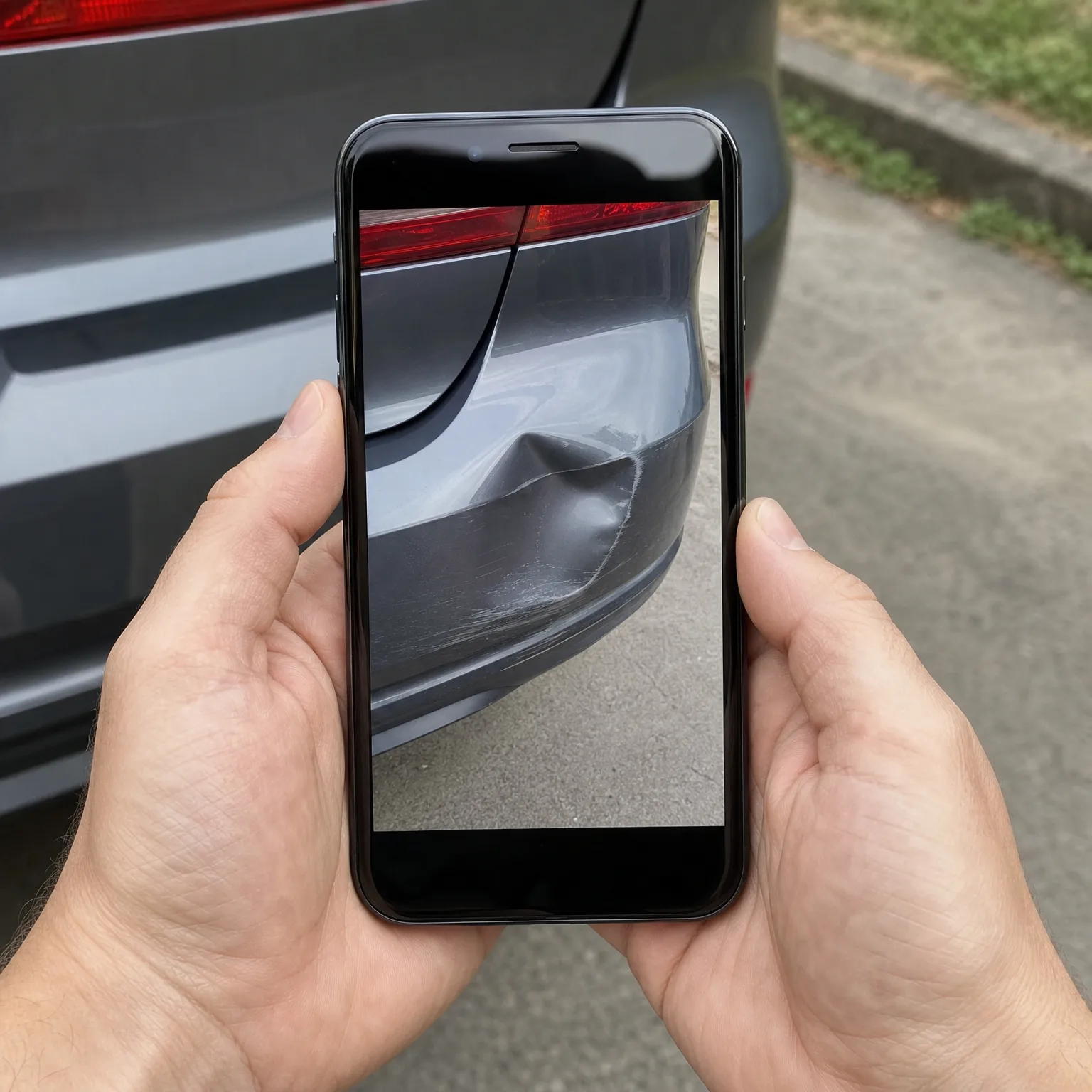
- Ask about transit coverage Shipping companies often carry their own liability coverage for damage in transit, but it may not fully replace yours. Ask what's covered during the move and what gaps your own policy should fill.
Do I need to switch my car insurance to my new state?
Not automatically, but you need to check. Many states have provisions letting active-duty service members keep their home state insurance and registration even while stationed elsewhere, as long as you can show military orders. This exists because frequent moves shouldn't force you to re-register and re-insure every time you're reassigned.
But not every state handles this the same way, and not every insurer writes policies the same way across state lines. Some require you to at least notify them of the new garaging location even if you keep the same policy. Others may require a new policy entirely if you stay long enough or if the car is primarily used in the new state.
The only way to know for sure is to check both your new state's rules for military residents and your insurer's policy on out-of-state coverage. Don't assume one call covers both questions.
The car is only protected if your insurer knows where it actually is, not where you're registered.
Once you know what your new station requires, compare quotes to make sure your coverage still fits.

Updating your insurer before you ship
If you do
You call ahead, confirm the car is in transit, and update your garaging address once it arrives. Your coverage stays valid the whole time, there's no gap, and your rate reflects where the car actually is. If anything happens during shipping, you're covered without question.
If you don't
You ship the car without telling your insurer anything changed. If it's damaged in transit or involved in an incident after arrival, the insurer may question why the address on file doesn't match where the car was. That can slow down or complicate a claim right when you need it least.
Why the address on your policy matters more than you'd think
Car insurance is priced and written around where a vehicle is actually kept and driven. That's not a formality, it's the basis for the whole policy. When you ship a car to a new duty station, the car's real location changes, and your insurer needs to know that to keep the coverage accurate and valid.
This is also why gaps during shipping cause real problems. If you cancel a policy before the car ships and plan to start a new one after it arrives, there's a window where the car is uninsured by you, relying only on whatever the shipping company provides. That coverage is usually limited to damage caused by the shipper, not everything that could happen to the vehicle.
Military-specific rules exist in many places because lawmakers recognized that frequent reassignment makes normal registration and insurance timelines impractical. These rules let you keep stability in your coverage even as your location changes often. But they're not universal, and they don't remove your responsibility to actually inform your insurer of the move.
The cases where this gets complicated usually involve long gaps between shipping and arrival, or stations overseas where normal domestic coverage may not apply at all. Those situations call for a direct conversation with your insurer about what's covered, when, and under what conditions, rather than assuming your existing policy stretches to cover everything automatically.